


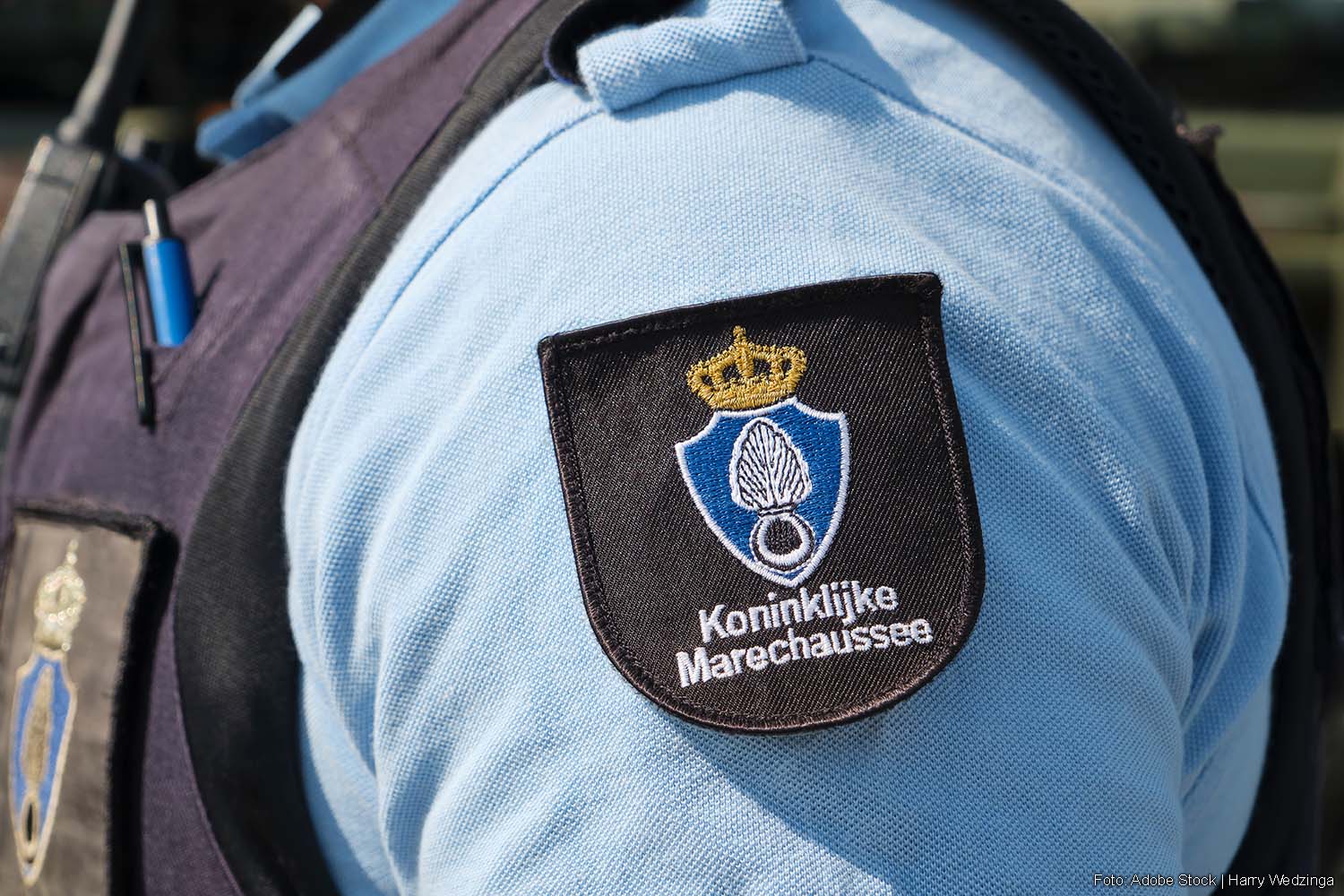
THE HAGUE – The Netherlands will end its temporary internal border controls on 30 September 2026 and introduce a revised and expanded framework for Mobile Security Monitoring (Mobiel Toezicht Veiligheid, MTV) on 1 October. The new framework will give the Royal Netherlands Marechaussee (KMar) greater flexibility to carry out targeted checks on trucks, cars, buses and other forms of transport in the border regions with Belgium and Germany, Minister for Asylum and Migration Van den Brink has announced.
The temporary internal border controls were introduced in late 2024. Under the revised MTV framework, the Dutch government intends to continue its efforts to combat irregular migration and cross-border crime, including human smuggling. The Marechaussee will maintain the same staffing capacity for these activities.
According to Minister Van den Brink, the expanded framework will allow officers to conduct checks more flexibly, using intelligence and risk assessments to determine where and when inspections are needed. The government says the change also addresses concerns raised by border municipalities, businesses and residents about the impact of the temporary controls.
Checks permitted across a wider border area
Compared with the temporary internal border controls, the revised MTV framework will allow inspections across a wider area near the borders with Belgium and Germany. This will enable the Marechaussee to determine more precisely where, when and which vehicles to inspect.
The new rules also expand the permitted scope of checks. The maximum number of hours during which officers may carry out inspections on roads and waterways in the border regions will increase. As a result, the Marechaussee will be able to inspect more cars, trucks, buses and vessels.
For aircraft and trains, the maximum number of inspections will be expressed as percentages rather than fixed numbers. The government says this will allow monitoring to adapt to future changes in passenger volumes.
Less predictable checks to counter human smuggling
The government says the revised framework will help the Marechaussee respond to changing methods and routes used by human-smuggling networks. By varying the timing and location of checks, officers aim to make it harder for these networks to adjust their routes and schedules to avoid inspections.
Not all traffic entering the Netherlands from Belgium or Germany will be checked. Inspections will be targeted and based on intelligence and risk assessments.
The government says minimising disruption to regular cross-border traffic remains a priority. It aims to limit the impact on transport operators, cross-border workers, businesses and residents in border regions as much as possible.



